
How Modern Logistics Is Transforming Global Trade
Exploring the technologies and strategies reshaping transportation networks worldwide.
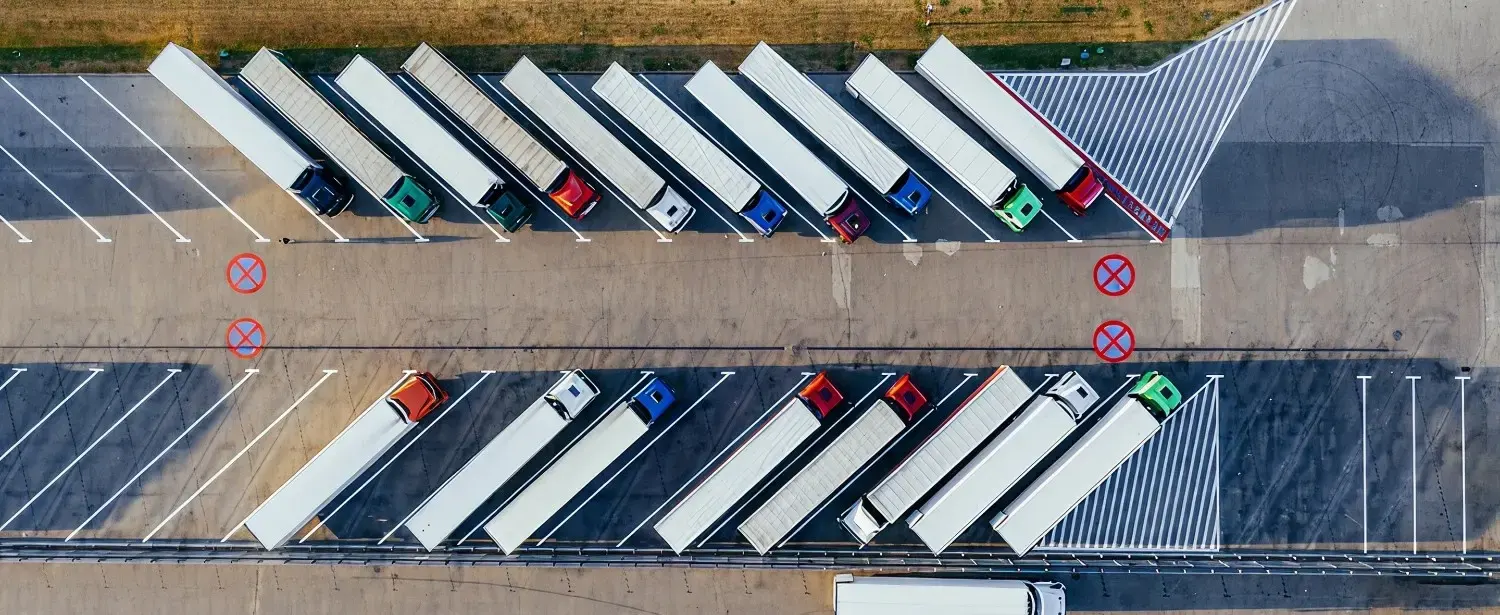
Understanding Risk in Modern Supply Chains
In today's interconnected economy, supply chains face a growing number of challenges that can disrupt operations and impact business performance. From geopolitical tensions and economic volatility to natural disasters and shifting consumer demands, organizations must navigate an increasingly complex environment.
Managing supply chain risk is no longer a reactive process - it has become a strategic priority for businesses seeking long-term stability and growth.
The Growing Complexity of Global Operations
As supply chains expand across regions and continents, businesses become more vulnerable to disruptions occurring far beyond their immediate operations. Delays at ports, transportation bottlenecks, supplier shortages, and regulatory changes can quickly create ripple effects throughout the entire network.
Organizations that rely on a limited number of suppliers or transportation routes often face greater exposure when unexpected events occur.
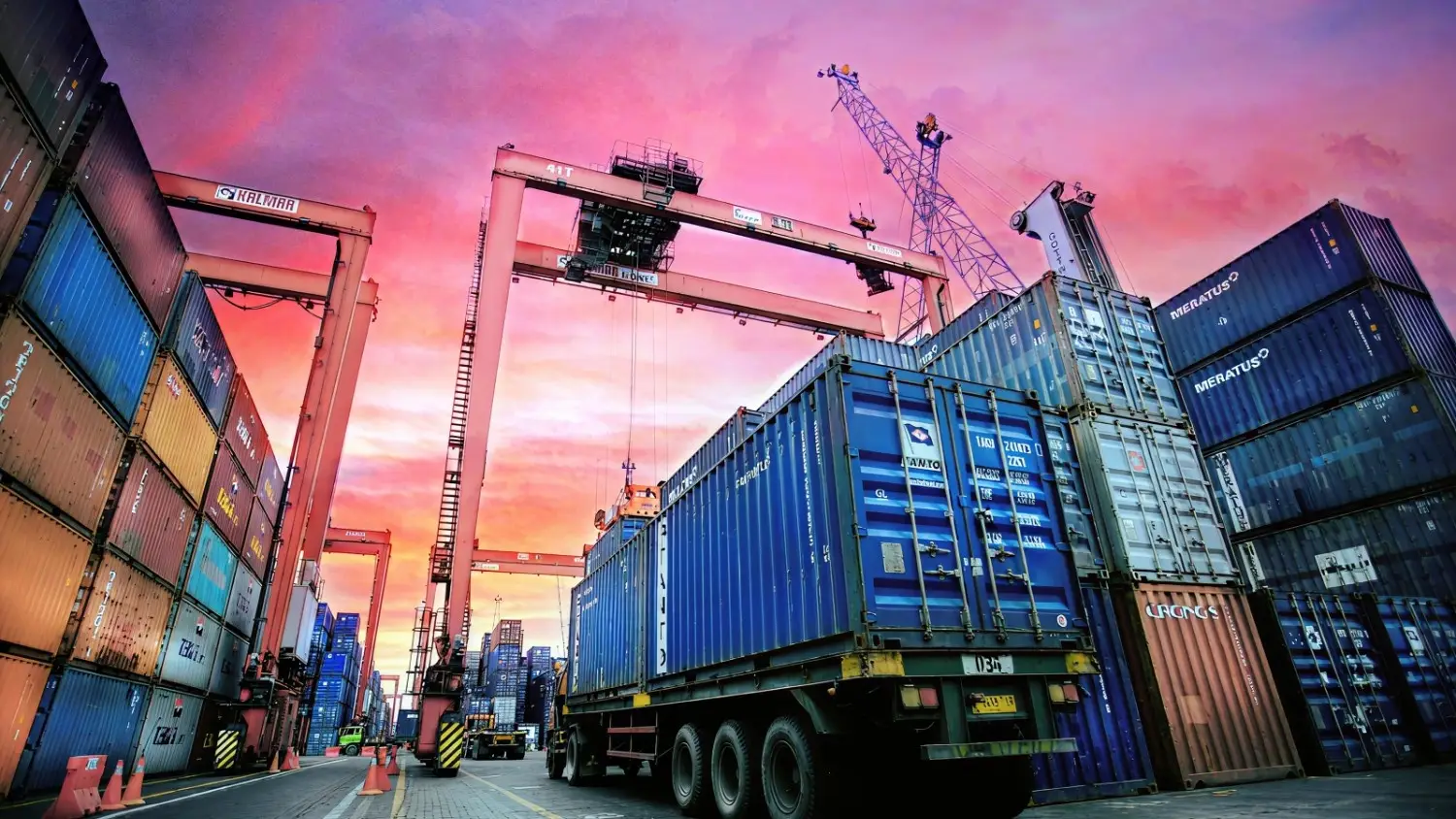
Building Visibility Across the Supply Chain
One of the most effective ways to reduce risk is by improving visibility across every stage of the supply chain. Real-time tracking, integrated systems, and accurate data allow businesses to identify potential issues before they escalate into larger problems. Greater visibility enables faster decision-making, improved communication, and more effective coordination between suppliers, carriers, and customers.
Strengthening Supplier Relationships
Reliable supplier partnerships play a critical role in risk management. Businesses that maintain strong relationships with multiple suppliers are better positioned to respond when disruptions occur. Diversifying supplier networks can help reduce dependency on a single source and improve operational resilience during periods of uncertainty. Open communication and collaborative planning further strengthen these partnerships and support long-term stability.
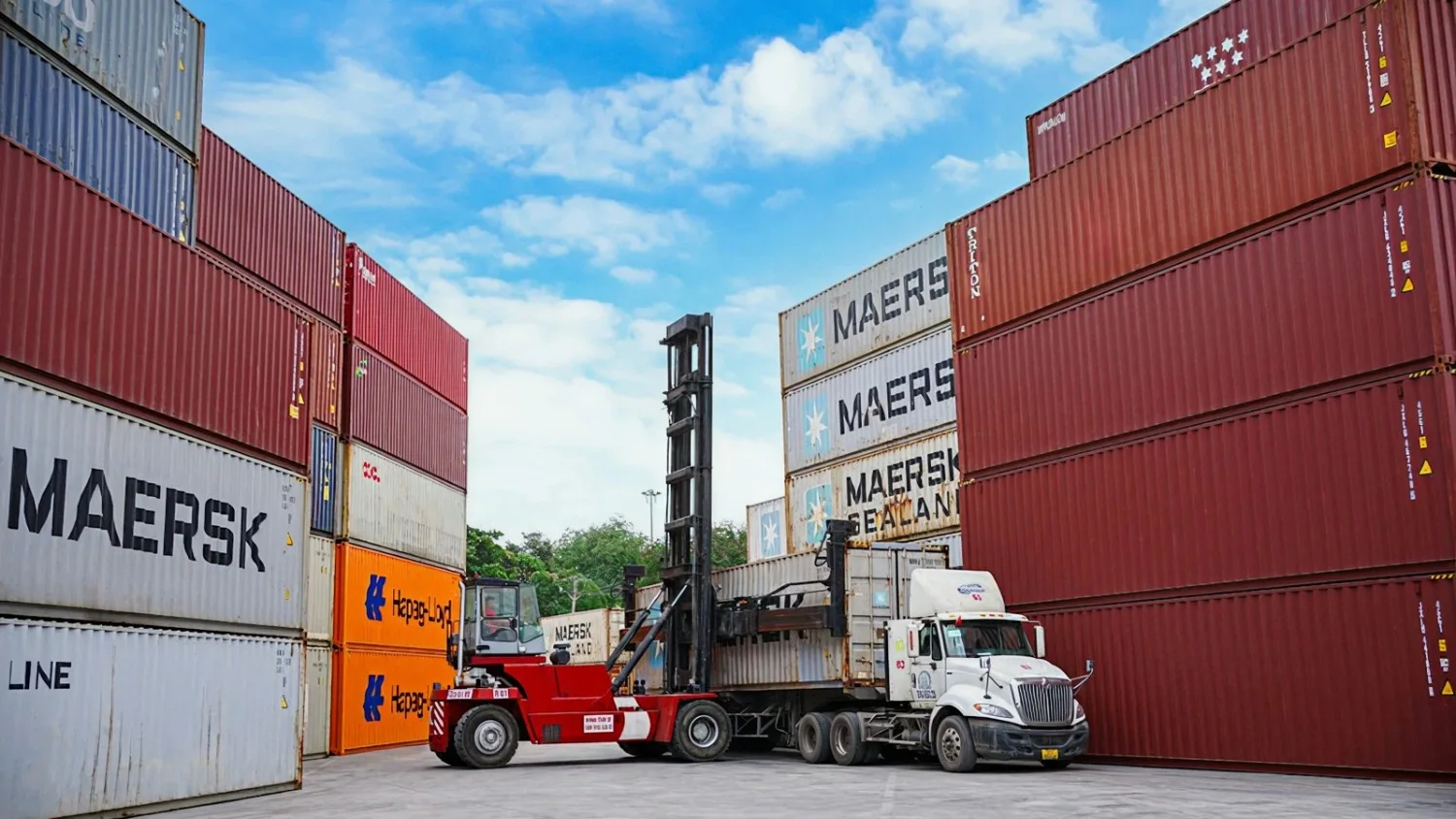
Creating a More Resilient Future
Supply chain risk will continue to evolve as markets, technologies, and global conditions change. Organizations that prioritize visibility, flexibility, collaboration, and innovation will be better equipped to navigate uncertainty and maintain operational stability.
Conclusion
Managing supply chain risk requires more than responding to disruptions as they occur. It involves building resilient systems, strengthening partnerships, and creating the agility needed to adapt to changing market conditions. As uncertainty becomes a constant factor in global commerce, businesses that embrace proactive risk management strategies will gain a significant competitive advantage and ensure long-term success.

Our platform not only simplifies complex logistics challenges but also provides actionable intelligence that helps you anticipate market trends, optimize resource allocation, and improve customer satisfaction.

